


00110A Ferrule For Sae100R1AT/Din20022 1SN Hose
Cat:Ferrules
Description Of Products: 1. Raw Material: Carbon Steel & Stainless Steel available 2. Standard Plating: Trivalent Zinc Plating ( Cr3 / Chrome...
See DetailsPagpili ng tama haydroliko hose ferrule bumababa sa apat na salik: uri ng hose, presyon ng pagpapatakbo, pagkakatugma ng likido, at kung ang iyong pagpupulong ay nangangailangan ng skiving. Ang hindi tugmang ferrule ay ang pangunahing dahilan ng pagkabigo sa pag-assemble ng hydraulic hose — mga hindi pagod na hose, hindi mga sira na fitting — at bumubuo ng tinatayang 23% ng hindi planadong pag-downtime ng hydraulic system sa mga industriyal na kapaligiran. Ang pagkuha ng pagpili sa simula pa lang ay nag-aalis ng mga tagas, pinipigilan ang mga blow-off, at nagpapahaba ng buhay ng serbisyo ng assembly ng 30–50% kumpara sa mga generic o maling tinukoy na mga bahagi.
Mga Ferrule ng Hydraulic Hose (tinatawag din Hydraulic Hose Sleeves ) ay ang mga metal na kwelyo na nakakulong sa paligid ng panlabas na takip ng isang hydraulic hose upang i-lock ang angkop na tangkay sa loob ng katawan ng hose. Hindi mapapalitan ang mga ito sa mga brand ng hose, laki ng hose, o fitting series. Ang gabay na ito ay naglalakad sa bawat variable ng pagpili — materyal, pamantayan, laki, detalye ng crimp, at aplikasyon — upang matulungan ang mga inhinyero, procurement team, at mga propesyonal sa pagpapanatili na gumawa ng matalinong mga desisyon sa 2026.
A haydroliko hose ferrule ay isang precision-machined cylindrical na manggas na inilagay sa dulo ng hose bago i-crimping. Sa panahon ng proseso ng crimping, pinipiga ng die set sa isang hydraulic crimping machine ang ferrule nang radially papasok, sabay-sabay na pinipiga ang panlabas na takip ng hose, reinforcement braid o spiral layer, at inner tube sa paligid ng barbed o serrated stem ng fitting. Ang nagreresultang mekanikal na interference ay lumilikha ng walang leak, high-pressure seal na walang mga adhesive, clamp, o welding.
Ang prinsipyo ng pagtatrabaho ay nakasalalay sa kinokontrol na plastic deformation. Habang bumagsak ang ferrule wall sa ilalim ng crimping pressure — karaniwang 40–120 toneladang puwersa depende sa laki ng hose — naglilipat ito ng compressive load nang pantay-pantay sa circumference ng hose. Ang pare-parehong compression na ito ang nagpapakilala sa isang factory-quality crimped assembly mula sa isang field-fabricated clamp connection. Ang mga rating ng burst pressure sa maayos na crimped assemblies ay pare-parehong umaabot sa 4× ang maximum na working pressure (bawat SAE J517), habang ang mga alternatibong istilo ng clamp ay bihirang lumampas sa 2–2.5× na mga salik sa kaligtasan.
Figure 1: Paghahambing ng salik sa kaligtasan ng burst-to-working-pressure sa mga paraan ng pagwawakas ng hose. Ang wastong crimped haydroliko hose ferrules ay nakakamit ang pinakamataas na safety margin sa 4:1, na nakakatugon sa mga kinakailangan ng SAE J517. Ang kalamangan na ito ay pinaka-binibigkas sa mga high-cycle at high-pressure na application kung saan ang reusable o clamp-type na mga alternatibo ay nagpapakilala ng hindi katanggap-tanggap na panganib sa pagkabigo.
Ang geometry ng ferrule — panloob na diameter, kapal ng pader, at haba — ay inengineered bilang isang katugmang hanay na may partikular na pagkakagawa ng hose at angkop na serye. Ang paghahalo ng mga bahagi mula sa iba't ibang magkatugmang hanay, kahit na mukhang magkapareho ang mga ito, ay nagpapakilala ng hindi makontrol na crimp geometry na nakompromiso ang parehong pull-off strength at pressure retention. Ito ang dahilan kung bakit ang bawat kapani-paniwala Tagagawa ng Hydraulic Ferrule nagbibigay ng mga talahanayan ng detalye ng crimp sa halip na mga generic na sizing chart.
Ang pinakapangunahing pag-uuri sa haydroliko hose ferrule Ang pagpili ay kung ang pagpupulong ay nangangailangan ng skiving — ang pagtanggal ng panlabas na takip ng hose bago ang paglalagay ng angkop. Ang pagkakaibang ito ay namamahala sa oras ng pagpupulong, mga kinakailangan sa tooling, at ang mga pinahihintulutang konstruksyon ng hose para sa bawat uri ng ferrule.
Ang mga skive ferrule ay nangangailangan na ang panlabas na takip ng hose ay hubarin ng isang tinukoy na haba - karaniwang 10-25 mm depende sa diameter ng hose - na naglalantad sa wire braid o spiral reinforcement bago ipasok ang fitting. Ang ferrule pagkatapos ay crimp nang direkta papunta sa nakalantad na reinforcement, na nagbibigay ng maximum na mekanikal na contact. Ang pamamaraang ito ay pamantayan para sa Pagpupulong ng Hydraulic Hose sa mga high-pressure na application (sa itaas 400 bar) at sapilitan para sa ilang SAE 100R12 at R13 multi-spiral hose constructions. Ang tradeoff ay oras ng pagpupulong: ang skiving ay nagdaragdag ng 2–4 minuto bawat pagtatapos ng pagpupulong at nangangailangan ng nakalaang skiving tool na naka-calibrate para sa partikular na kapal ng pader ng hose.
Non Skive Ferrules ay idinisenyo upang i-crimp ang buo na hose na panlabas na takip, na ganap na inaalis ang skiving step. Ang angkop na tangkay ay nagtatampok ng mga agresibong serrations o barbs na tumagos sa takip at sa reinforcement habang nagku-crimping. Ang mga non-skive ferrule ay tumutukoy sa karamihan ng field assembly work dahil binabawasan nila ang oras ng assembly ng 30–40% at nangangailangan ng mas kaunting kasanayan sa operator. Ganap na napatunayan ang mga ito para sa mga pressure hanggang 420 bar sa naaangkop na mga konstruksyon ng hose at ang gustong pagpipilian para sa mga uri ng hose ng SAE 100R1, R2, R16, at R17.
| Katangian | Skive Ferrule | Non-Skive Ferrule |
|---|---|---|
| Oras ng paghahanda ng pagpupulong | 2–4 min bawat dulo | Walang dagdag na paghahanda |
| Max na kakayahan sa presyon | Hanggang 700 bar | Hanggang 420 bar |
| Kinakailangan ang kasanayan sa operator | Mas mataas | Ibaba |
| Mga karaniwang uri ng hose | R9, R12, R13, R15 | R1, R2, R16, R17 |
| Kaangkupan ng field assembly | Katamtaman | Magaling |
Pagpili ng materyal para sa Hydraulic Crimp Ferrules ay hinihimok ng tatlong mga kadahilanan: ang corrosivity ng operating environment, ang process fluid compatibility, at ang temperature range. Ang paggamit ng maling materyal sa isang corrosive na kapaligiran sa dagat o kemikal ay maaaring mabawasan ang buhay ng serbisyo ng ferrule mula taon hanggang linggo.
Figure 2: Performance radar na naghahambing ng carbon steel at 316L stainless steel hydraulic ferrules sa limang pamantayan. Ang stainless steel ay nangingibabaw sa corrosion resistance, temperature range, at chemical compatibility, habang ang carbon steel ay nag-aalok ng mas mahusay na cost efficiency at maihahambing na tensile strength. Ang pagpili sa pagitan ng mga ito ay dapat na matukoy sa pamamagitan ng kapaligiran ng serbisyo, hindi sa paunang halaga ng materyal lamang.
Ang mga pagtutukoy ng hydraulic hose at ferrule ay pinamamahalaan ng dalawang nangingibabaw na international standards bodies: SAE International (Society of Automotive Engineers) at DIN (Deutsches Institut für Normung). Tinutukoy ng mga pamantayang ito hindi lamang ang mga sukat ng ferrule kundi ang buong sistema ng pagpupulong — konstruksyon ng hose, rating ng presyon, diameter ng crimp, at mga kinakailangan sa pull-off force. Ang pagtukoy sa isang ferrule sa labas ng napatunayang pamantayan nito ay isang desisyon sa engineering na nagpapawalang-bisa sa sertipikasyon ng pagganap ng assembly.
Mga pangunahing pamantayang nauugnay sa Hydraulic Hose Fitting at ang pagpili ng ferrule ay kinabibilangan ng:
Kapag kumukuha mula sa a Tagagawa ng Hydraulic Ferrule , palaging humiling ng dokumentasyong nagkukumpirma kung aling karaniwang serye ang pinapatunayan ng ferrule, hindi lamang kung saang pamantayan ito ginawa. Ang isang ferrule na ginawa sa SAE tolerances ay maaari pa ring mabigo sa pagpapatunay ng assembly kung hindi pa ito nasubok bilang bahagi ng isang crimped system na may kaukulang hose at fitting.
Pagpili ng tama Mga Sukat ng Hydraulic Ferrule nangangailangan ng pag-alam sa tatlong sukat: ang laki ng hose dash (inner diameter sa 1/16" increments), ang hose series (na tumutukoy sa panlabas na diameter at kapal ng pader), at ang angkop na serye na iyong ginagamit. Ang tatlong variable na ito ay magkakasamang tumutukoy sa panloob na diameter (ID), panlabas na diameter (OD), at haba ng ferrule - wala sa mga ito ang maaaring tantyahin mula sa isang sukat lamang.
| Sukat ng Hose Dash | Hose ID (mm) | Ferrule ID (mm) | Ferrule OD (mm) | Haba ng Ferrule (mm) | Max WP (bar) |
|---|---|---|---|---|---|
| -04 | 6.4 | 14.6 | 20.2 | 22.0 | 400 |
| -06 | 9.5 | 18.8 | 25.2 | 25.5 | 350 |
| -08 | 12.7 | 22.5 | 30.0 | 28.6 | 275 |
| -10 | 15.9 | 27.5 | 35.5 | 32.0 | 215 |
| -12 | 19.1 | 32.2 | 41.2 | 36.5 | 215 |
| -16 | 25.4 | 40.6 | 51.0 | 42.0 | 180 |
Figure 3: Pag-unlad ng ferrule sa labas ng diameter sa mga laki ng dash ng SAE 100R2 AT. Ang non-linear na paglago ng OD ay sumasalamin sa pinagsamang pagtaas sa kapal ng pader ng hose at bulk ng reinforcement habang tumataas ang panloob na diameter. Nangangahulugan ito na ang pagpapalaki ng ferrule sa pamamagitan ng hose ID lamang ay hindi sapat — ang serye ng hose at panlabas na diameter ay dapat parehong kumpirmahin upang piliin ang tamang ferrule OD para sa crimping die.
Ang Hydraulic Hose Crimping Ang proseso ay nagko-convert ng mga indibidwal na bahagi — hose, fitting, at ferrule — sa isang validated pressure assembly. Ang bawat hakbang ay may tinukoy na pagpapaubaya; mga error sa anumang step compound at maaaring magresulta sa mga assemblies na pumasa sa visual na inspeksyon ngunit nabigo sa ilalim ng pressure cycling. Nalalapat ang sumusunod na pagkakasunud-sunod sa mga non-skive ferrule assemblies, na kumakatawan sa karamihan ng dami ng produksyon ng workshop at field.
Figure 4: Relationship between crimp diameter deviation and pull-off strength for a representative -08 hose assembly. Maximum pull-off strength is achieved at the specified target crimp diameter; deviations in either direction — under-crimp or over-crimp — reduce retention strength significantly. A -3% under-crimp reduces pull-off strength by approximately 80% from peak, which explains why crimp diameter measurement is non-negotiable in every production assembly.
Field failure analysis of hydraulic hose assemblies consistently identifies a short list of root causes. Understanding these failure modes allows procurement and maintenance teams to implement preventive controls rather than reactive replacements.
Figure 5: Distribution of root causes in hydraulic hose assembly field failures based on aggregated maintenance data. The leading cause — wrong ferrule or fitting combination — is entirely preventable through proper component matching at the specification stage. Together, the top two causes (ferrule mismatch and incorrect crimp diameter) account for exactly half of all assembly failures, reinforcing the importance of validated crimp specifications over ad-hoc assembly practices.
Hydraulic Hose Sleeves and ferrules serve as the structural backbone of fluid power systems across a broad range of industries. Each sector imposes distinct requirements on pressure rating, material, cleanliness, and documentation — and the ferrule specification must match these requirements as precisely as the hose and fitting selections.
Q1: Can I reuse a hydraulic hose ferrule after removing it?
No. Once a ferrule has been crimped, the plastic deformation is permanent and the internal geometry is altered. Attempting to re-crimp a used ferrule will not reproduce the original crimp profile, resulting in an assembly with unpredictable pull-off strength and pressure retention. Ferrules are single-use components; always use a new ferrule for each assembly, including rework of a previously crimped hose end.
Q2: Are hydraulic hose ferrules and hydraulic hose sleeves the same thing?
Yes — the terms haydroliko hose ferrule and hydraulic hose sleeve refer to the same component in most contexts. "Ferrule" is the predominant term in North American and SAE-standard environments, while "sleeve" is more commonly used in European (DIN-standard) and some Asian markets. Both describe the cylindrical metal collar crimped over the hose end to retain the fitting. Some suppliers distinguish "sleeve" as referring specifically to the outer protective sheath on the hose body, so it is worth confirming terminology when placing orders internationally.
Q3: How do I know if my crimp ferrule is under-crimped or over-crimped?
Ang only reliable method is to measure the finished crimp diameter with a calibrated crimp gauge or outside micrometer and compare it against the manufacturer's crimp specification table. Visually, an under-crimped assembly may show the ferrule slightly loose on the hose after crimping. An over-crimped ferrule may show surface cracking on the ferrule wall or visible deformation of the fitting body. Neither visual check is a substitute for dimensional measurement — accept or reject assemblies based on the measured crimp diameter, not appearance alone.
Q4: What is the difference between a skive and non-skive ferrule — and which should I choose?
Skive ferrules require stripping the hose outer cover before assembly, providing direct contact between the ferrule and the wire reinforcement. They are preferred for pressures above 420 bar and for multi-spiral hose constructions (R9, R12, R13). Non Skive Ferrules crimp over the intact hose cover and are suitable for pressures up to approximately 420 bar on single and double wire braid hose (R1, R2, R16, R17). For most workshop and field applications below 420 bar, non-skive is the practical choice due to faster assembly and lower operator training requirements. For high-pressure or critical applications, confirm the correct type with the hose and fitting manufacturer's specification table.
Q5: Do stainless steel hydraulic ferrules require different crimping settings than carbon steel?
Hindi kinakalawang na Steel Hydraulic Ferrules typically require higher crimping force than carbon steel ferrules of the same dimension, because stainless steel has higher yield strength and work-hardens more rapidly during deformation. The target crimp diameter remains the same — it is determined by the hose construction, not the ferrule material — but the crimping machine must be capable of generating sufficient force throughout the full stroke. Always verify that your crimping equipment's rated capacity covers stainless ferrule applications at the hose sizes you intend to assemble, and re-confirm crimp diameters after switching materials, as machine calibration can drift under higher load cycles.
Q6: Can I use ferrules from one manufacturer with hose and fittings from another?
This is technically possible in some cases but carries significant risk. Ferrule ID tolerances, wall thickness, and length are optimized as part of a matched system with a specific hose OD and fitting stem geometry. Mixing components from different manufacturers without validated crimp specifications introduces uncertainty in crimp diameter targets and pull-off performance. If cross-manufacturer use is unavoidable, the assembly must be tested to the applicable SAE or ISO standard — burst test, impulse test, and pull-off — before being put into service. Relying on dimensional similarity alone is not an acceptable engineering basis for approval.
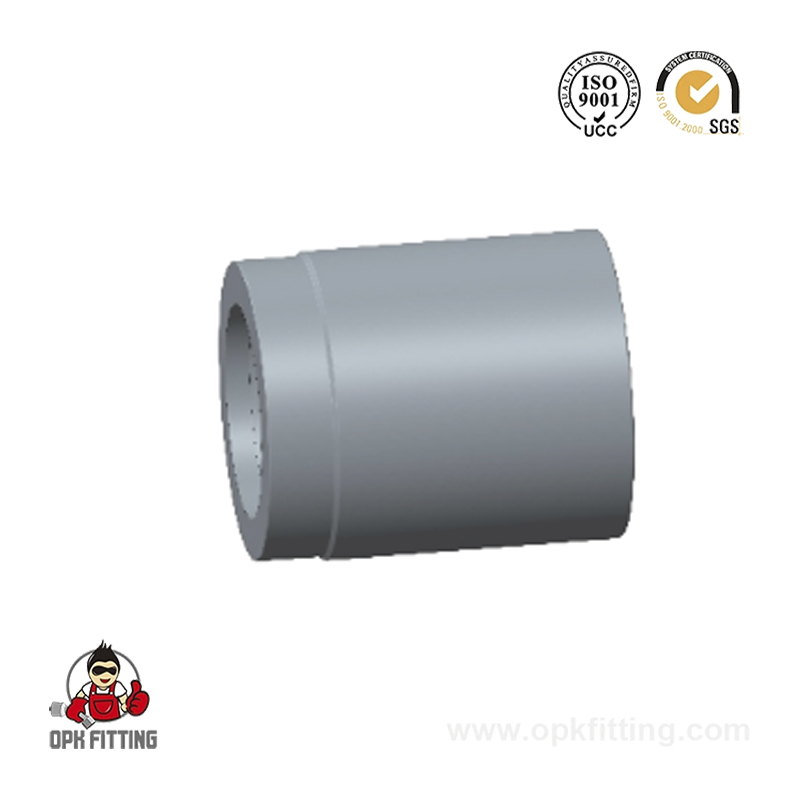
Description Of Products: 1. Raw Material: Carbon Steel & Stainless Steel available 2. Standard Plating: Trivalent Zinc Plating ( Cr3 / Chrome...
See Details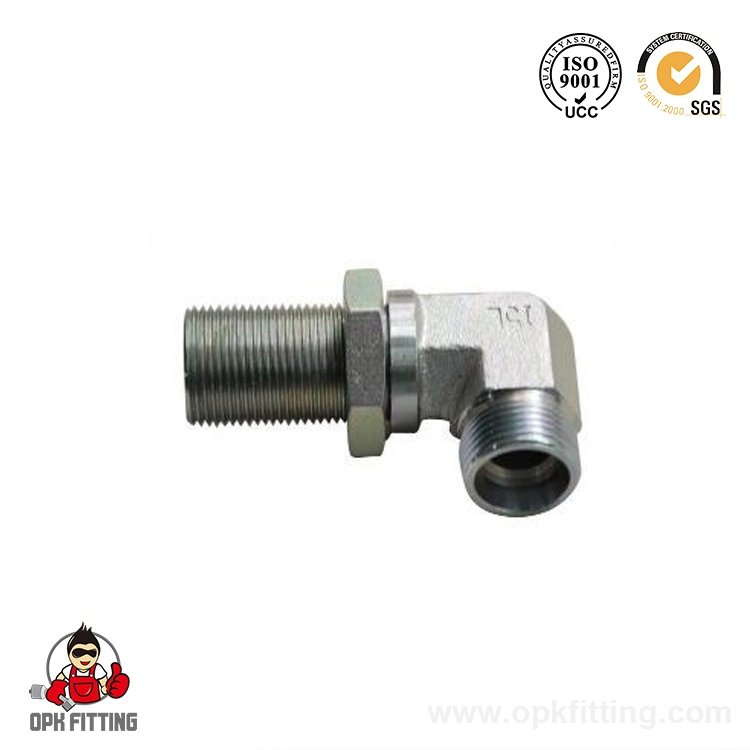
Product Description hydraulic adaptor metric male O-Ring flat sealing pipe fittings Material: Carbon Steel, Stainless Steel Surfac...
See Details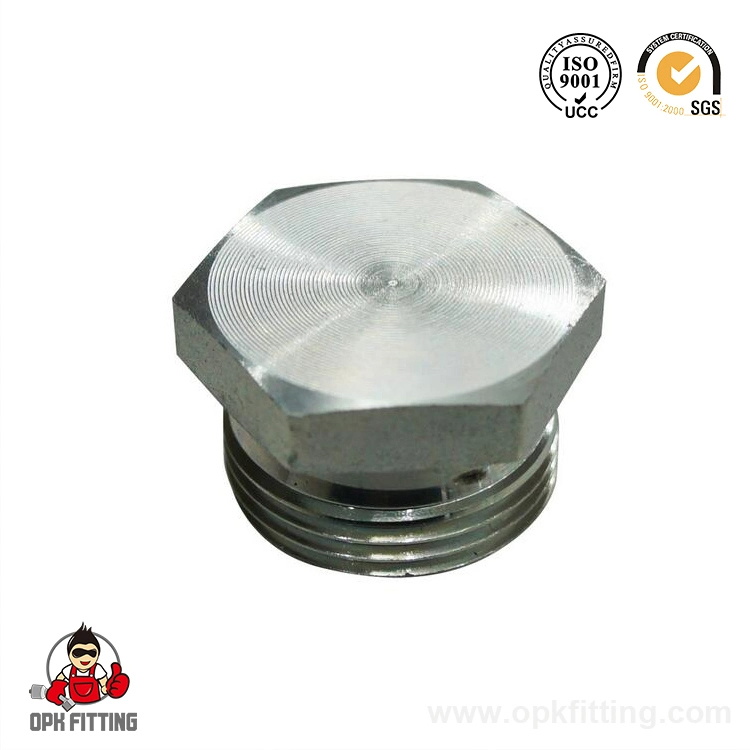
Product Description hydraulic adaptor metric male O-Ring flat sealing pipe fittings Material: Carbon Steel, Stainless Steel Surfac...
See Details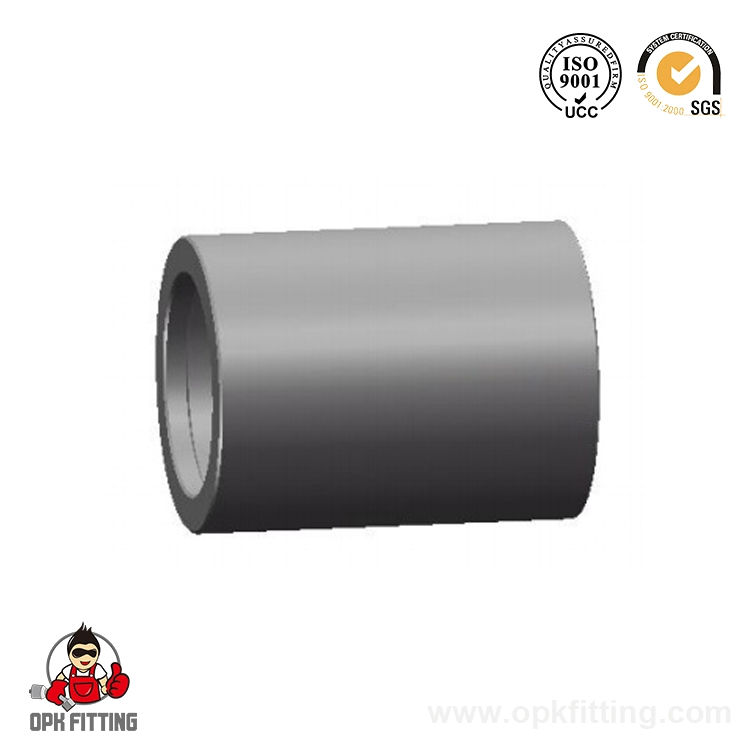
Description Of Products: 1. Raw Material: Carbon Steel & Stainless Steel available 2. Standard Plating: Trivalent Zinc Plating ( Cr3 / Chrome...
See Details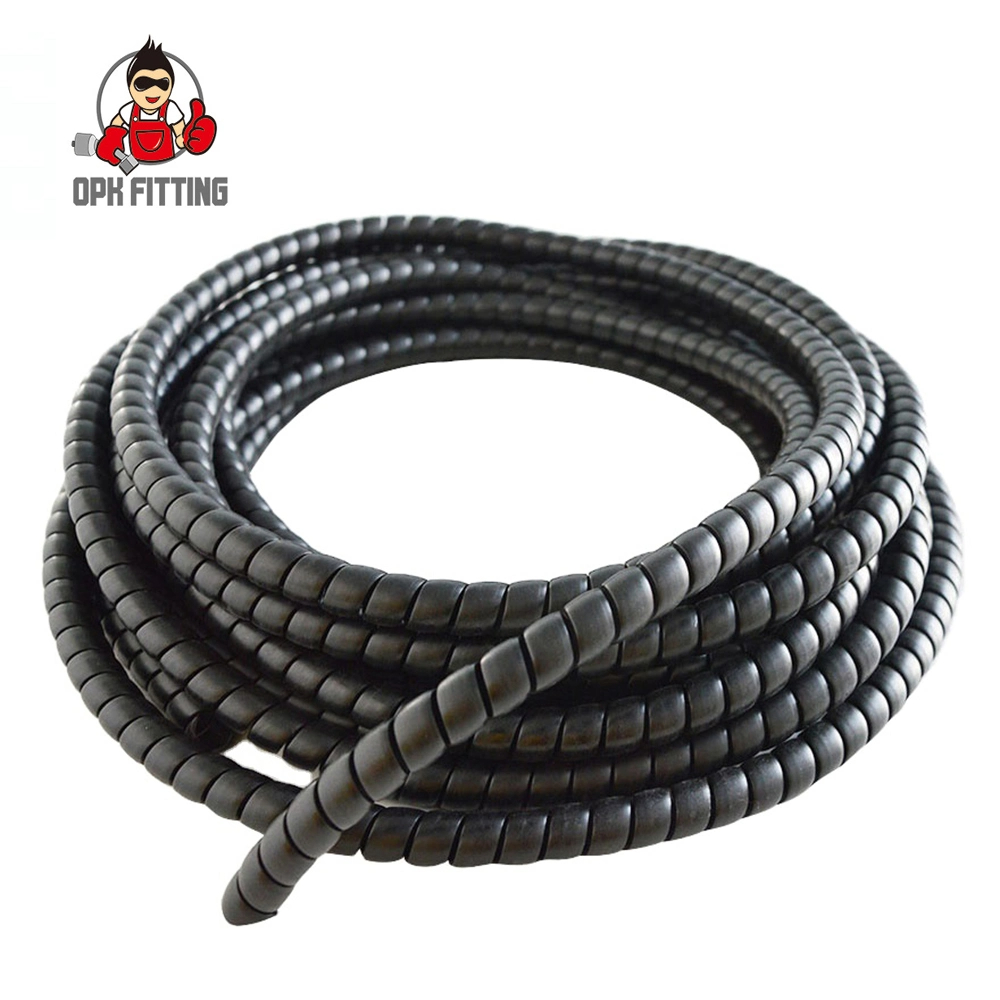
PRODUCT NAME: Spiral Protective Sleeve PP plastic hose guard for hydraulic hose Recommended For: The use of Spiral Guard Wrap is an economical...
See Details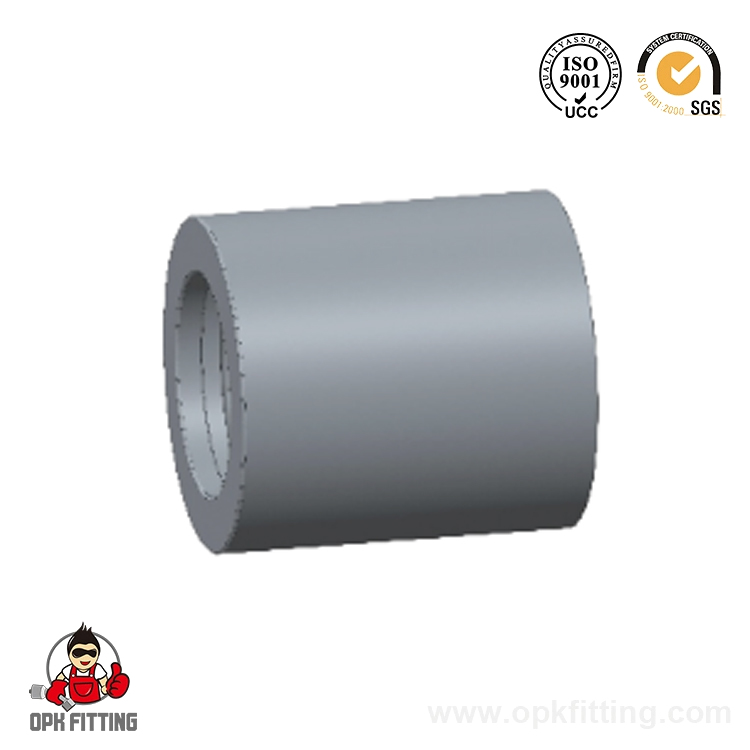
Description Of Products: 1. Raw Material: Carbon Steel & Stainless Steel available 2. Standard Plating: Trivalent Zinc Plating ( Cr3 / Chrome...
See Details

+86-18868902802


No. 298, Chenghai Road, Binhai New District, Fenghua Economic Development Zone, Fenghua District, Ningbo City, Zhejiang Province, China
Copyright @ Ningbo Opk Fitting Co., Ltd. Hydraulic Hose Fittings Manufacturers OEM & Custom Adaptors Company
